
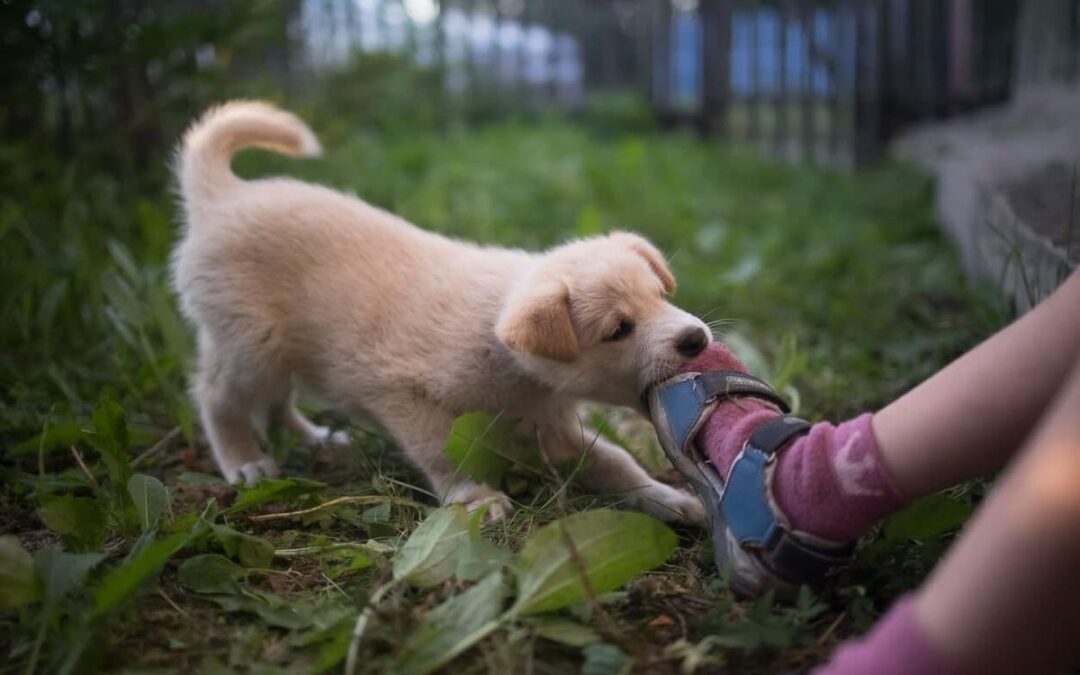
Early socialization is critical for dog owners in reducing aggression and anxiety. Introducing your dog to different environments, people, and other animals helps them adapt to various situations.Dog bites can lead to physical and emotional stress for both the victim and the dog. Understanding how to minimize the risk is essential for dog owners and individuals interacting with dogs. Here are five practical tips to help prevent dog bites while promoting safety and harmony.
1. Learn Dog Body Language
Dogs communicate through their body language. By recognizing warning signs, you can prevent situations where a dog may feel compelled to bite. Dogs that exhibit signs of stress or fright include:
- Tail tucked between the legs.
- Ears flattened backward.
- Growling or showing teeth.
If you encounter a dog displaying these behaviours, avoid approaching and give the dog space to feel secure. Understanding a dog’s non-verbal cues protects you and keeps the dog calm.
2. Teach Proper Interaction
Children are often at a higher risk of dog bites due to their playful and unpredictable behaviour. It is essential to teach kids how to approach and engage with dogs. Encourage them to:
- A dog’s owner should always be consulted before stroking them.
- Take your time and let the dog sniff your hand.
- Do not tug at the dog’s fur, tail, or ears.
Instilling respectful behaviour early reduces the likelihood of unintentional provocation, which may result in a bite.
3. Socialize Your Dog Early
- Start socialization during puppyhood, between 3 and 14 weeks of age.
- Positive reinforcement can be used to reward composure and amiability.
Proper socialization fosters a well-rounded temperament, making your dog less likely to react aggressively when exposed to unfamiliar scenarios.
4. Avoid Triggering Situations
Dogs may react aggressively if they feel cornered, threatened, or overly excited. Understanding and avoiding triggers can prevent bites. For example:
- Avoid disturbing a dog while eating, sleeping, or caring for puppies.
- Avoid making abrupt movements or teasing dogs to avoid upsetting them.
- Teach guests in your home how to interact with your dog safely.
5. Ensure Regular Training and Exercise
Training your dog in basic commands such as “sit,” “stay,” and “leave it” establishes clear communication and enhances your ability to control its behaviour. Regular exercise is also vital to prevent pent-up energy, which can lead to frustration or aggression.
- Dedicate time for daily walks or play sessions.
- Use training sessions to reinforce good behaviour consistently.
A well-trained and exercised dog is generally calmer and less likely to act out with aggression.
Ensure Your Dog’s Safety and Well-Being With Aquitaine Animal Hospital!
At Aquitaine Animal Hospital, we help you create a safe and positive environment for your furry friend. From behavioural advice to regular check-ups, our team supports your pet’s health and happiness. Schedule a visit today and learn how to keep your dog happy and prevent unnecessary risks.
Schedule your appointment!
Recent Comments